



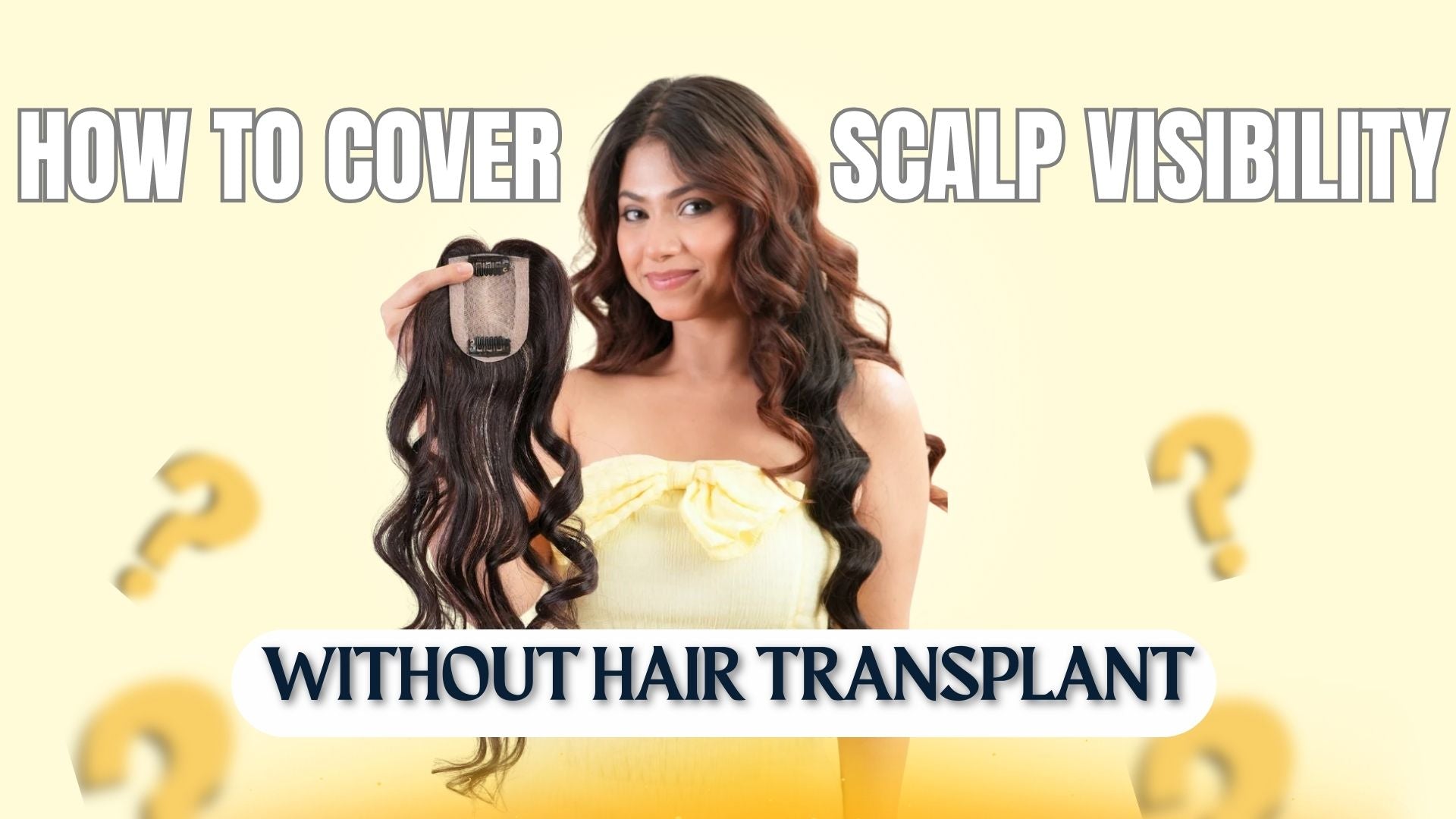
How to Cover Scalp Visibility Without Hair Transplant
How to Cover Scalp Visibility Without Hair Transplant
Seeing your scalp more clearly than before can feel unsettling. For many women, scalp visibility develops slowly and often goes unnoticed until hair looks flat, partings widen or the crown area feels sparse. While surgical treatments exist, they are not the only option. Today, many scalp coverage solutions for women focus on comfort, safety and natural appearance such as hair toppers, front hair extensions and many more options.

This blog helps you understand why scalp visibility happens, how to manage a hair thinning scalp and how to choose non-surgical options that blend naturally with your hair.
What Is Scalp Visibility and Why Does It Happen?
Scalp visibility refers to the appearance of the scalp through the hair due to reduced density or thinning strands. It does not always mean hair loss. In many cases, the hair becomes finer, creating gaps that allow the scalp to show.
Common Causes of Hair Thinning Scalp
-
Hormonal changes
-
Stress and lifestyle factors
-
Nutritional deficiencies
-
Genetics
-
Excessive styling or heat damage
Understanding the cause helps in choosing the right visible scalp hair solutions instead of rushing into treatments that may not be necessary.
Why Many Women Avoid Hair Transplants
Hair transplants can be expensive, invasive and time-consuming. Recovery periods and uncertain results make many women look for alternatives. Non-surgical solutions such as hair extensions are preferred because they:
-
Do not interfere with natural hair growth
-
Are reversible and adjustable
-
Can be worn daily
-
Offer immediate visual improvement
How to Cover Scalp Visibility Without Hair Transplant
Covering scalp visibility without surgery focuses on gentle coverage and blending rather than altering hair follicles.
Identify the Area of Scalp Exposure
Scalp visibility usually appears in specific areas:
-
Crown or top of the head
-
Middle or side parting
-
Front hairline
Choosing the right solution depends on the location and severity of thinning.
Non-Surgical Scalp Coverage Options Women Choose
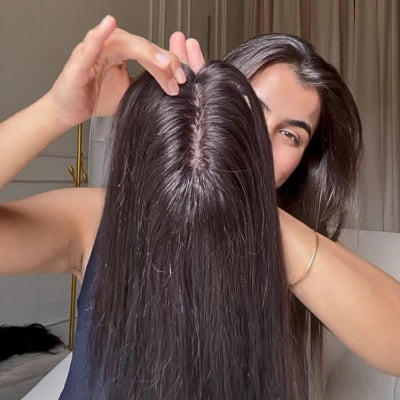
Lace Hair Toppers
Lace hair toppers are commonly used when scalp visibility appears around the crown or parting. They are breathable and lightweight, making them comfortable for daily wear and suitable for women with sensitive scalps.
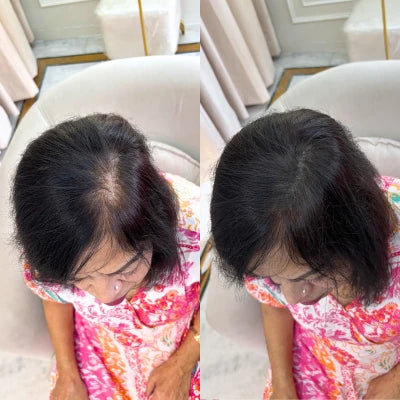
Crown Hair Toppers
Crown hair toppers help cover thinning specifically at the top of the head where scalp exposure is most noticeable under light.
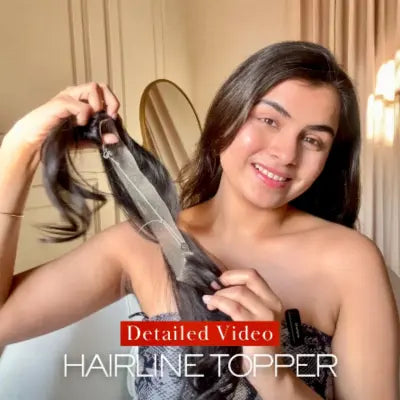
Hairline Topper
When thinning is visible near the forehead or temples, a hairline topper can help reduce scalp exposure and create a fuller-looking hairline.
How Invisible Coverage Helps With Confidence
Many women worry that scalp coverage will look obvious. Modern non-surgical solutions focus on blending naturally with existing hair, ensuring the coverage remains discreet even in close-up settings.
Invisible Hair Patches
Invisible hair patches are often used for small areas of scalp exposure. They sit flat against the scalp and are suitable for mild thinning or patchy visibility.
Comparison Table – Scalp Coverage Without Surgery
| Area of Concern | Common Issue | Suitable Non-Surgical Approach |
|---|---|---|
| Crown | Visible scalp under light | Crown hair topper |
| Hairline | Thinning at front | Hairline topper |
| Small patches | Localised exposure | Invisible hair patches |
| Parting | Wide part lines | Lace hair topper |
Can Hair Extensions Help With Scalp Visibility?
Hair extensions are often misunderstood when it comes to scalp coverage.
When Hair Extensions Work
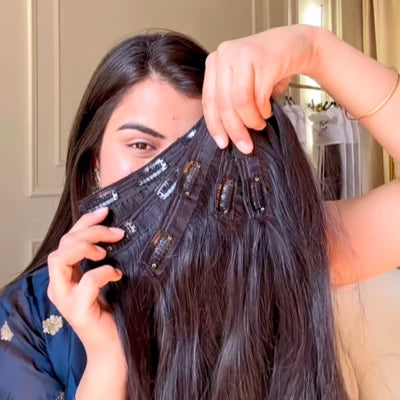
Extensions like front hair extensions can help visually reduce scalp exposure at the front by adding density and framing the face.
When Hair Extensions Are Not Ideal
If scalp exposure is central or crown-based, hair extensions alone may not cover the scalp effectively. In such cases, coverage-focused solutions work better.
How to Choose the Right Scalp Coverage Solution
Comfort Comes First
Choose solutions that feel light and breathable, especially for daily use.
Match Hair Texture and Density
A natural look depends on matching the texture, colour and density of your existing hair. If you want add color to your without damaging it, you can try clip in coloured hair extensions.
Avoid Tight Clips and Heavy Bases
Heavy or tight attachments can worsen thinning over time.
Conclusion
Scalp visibility can affect confidence, but it does not mean you need a hair transplant. With the right understanding and gentle approach, it is possible to cover scalp visibility without hair transplant using safe, non-surgical solutions. Choosing options that focus on comfort, breathability and natural blending helps protect your hair while restoring confidence. With time, care and the right support, managing hair loss and thinninng becomes much easier with hair thinning solutions.
Most Asked Questions About Scalp Visibility
Is scalp visibility always a sign of hair loss?
No. It can occur due to fine hair texture or reduced density without actual hair loss.
Can scalp visibility improve naturally?
Yes. With good nutrition, stress management and gentle care, hair density can improve over time.
Is daily scalp coverage safe?
Yes, when using lightweight, breathable non-surgical solutions that do not pull natural hair.





Leave a comment
This site is protected by hCaptcha and the hCaptcha Privacy Policy and Terms of Service apply.