



Best Hair Solutions for Postpartom Hair Thinning in Women
Best Hair Solutions for Postpartom Hair Thinning in Women
Becoming a mother brings many beautiful changes but it can also bring unexpected concerns. One of the most common is postpartum hair fall. Many women notice increased hair shedding and visible thinning a few months after delivery. While this can affect confidence, it is important to know that hair thinning after pregnancy is normal, temporary and manageable.
This blog explains the causes of postpartum hair fall, how to care for thinning hair gently, and the safest hair solutions like hair toppers and hair extensions that support your hair journey during this phase.
What Is Postpartum Hair Fall?
Postpartum hair fall refers to excessive hair shedding that usually begins 2-4 months after childbirth. During pregnancy, high hormone levels keep hair in the growth phase. After delivery, hormone levels drop, causing more hair to enter the shedding phase at the same time.
Is Postpartum Hair Thinning Permanent?
In most cases, no. Postpartum hair thinning is temporary. Hair growth usually begins to normalise within 6-12 months, though recovery may take longer for some women depending on nutrition, stress levels and overall health. At that point of time, you can try hair care products that are Breastfeeding-safe products.
Why Does Hair Thinning After Pregnancy Happen?
Understanding the reason helps reduce anxiety and prevents unnecessary treatments.
Hormonal Changes After Delivery
A sudden drop in estrogen levels pushes hair into the resting phase, leading to noticeable shedding.
Nutritional Deficiency
Pregnancy and breastfeeding can deplete iron, protein and essential vitamins, which directly affects hair strength.
Physical and Emotional Stress
Sleep deprivation, emotional changes and physical recovery can contribute to postpartum hair fall.
Tight Hairstyles and Styling Habits
Constant tying, heat styling or pulling hair tightly can worsen thinning around the hairline and crown.
How Long Does Postpartum Hair Fall Last?
Most women experience postpartum hair fall for 3-6 months. Visible improvement usually starts by the baby’s first birthday. However, gentle care and supportive hair solutions can make this phase emotionally easier.
How to Care for Hair During Postpartum Hair Thinning
Hair care during this phase should focus on protection, not correction.
Be Gentle With Your Hair
Avoid aggressive brushing, wet hair tugging, or frequent heat styling. Use wide-tooth combs and let hair air-dry when possible.
Focus on Scalp Health
A healthy scalp supports new growth. Regular oil massages and mild shampoos help improve blood circulation.
Avoid Heavy Chemical Treatments
Post-pregnancy hair is already fragile. Avoid colouring, rebonding or strong chemical treatments during this time. If you want to add color, then you can try coloured hair extensions for women for a new look.
How Can You Visually Manage Hair Thinning After Pregnancy?
While natural regrowth takes time, many women look for non-damaging hair solutions for receding hairline or hair thinning to feel confident during daily life.
Why Temporary Hair Solutions Are Helpful
Temporary solutions do not interfere with regrowth and help manage visible hair thinning without stress or discomfort.
Which Areas Are Most Affected?
Postpartum hair thinning commonly affects:
-
Hairline and temples - Halo hairline topper
-
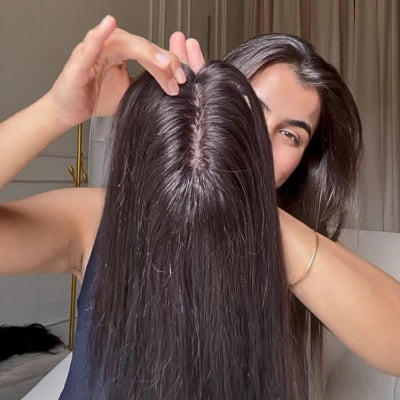
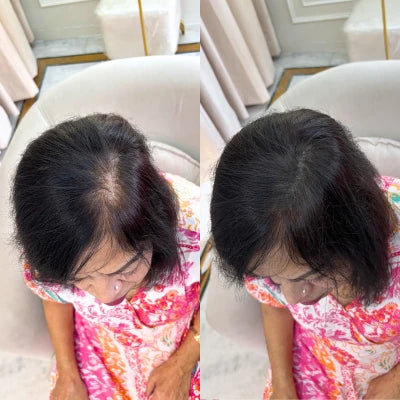
Crown area - Hair toppers for women
-
Overall hair volume - Hair extensions for volume
Understanding this helps in choosing solutions that blend naturally.
Comparison Table – Postpartum Hair Thinning Solutions
| Concern Area | Common Issue | Ideal Non-Damaging Approach |
|---|---|---|
| Hairline | Visible thinning, baby hair | Lightweight coverage solutions |
| Crown | Scalp visibility | Breathable volume support |
| Overall volume | Flat hair | Natural-looking volume add-ons |
| Daily wear | Discomfort | Lightweight, clip-free or soft-clip options |
Most Asked Questions About Postpartum Hair Fall
Can breastfeeding increase hair fall?
Breastfeeding itself does not directly cause hair fall but nutritional demands can worsen shedding if diet is inadequate.
Should I cut my hair short after delivery?
Short hair can feel easier to manage, but it does not stop hair fall. Choose length based on comfort, not fear. If you want to know, how to measure hair extension's length then you can check our blog on right hair extensions for your hair type and length.
When should I consult a doctor?
If excessive hair fall continues beyond one year or is accompanied by fatigue or scalp issues, medical advice is recommended.
How Can You Emotionally Cope With Postpartum Hair Thinning?
Hair changes after pregnancy can feel overwhelming. It is important to remember:
-
You are not alone
-
This phase is temporary
-
Hair health improves with time and care
Choosing supportive hair solutions can help restore confidence while your natural hair recovers.
Hair Solutions for Postpartum Hair Thinning
The following hair solutions are commonly chosen by women during postpartum hair thinning. These are non-invasive and temporary options, ideal for daily confidence:
-
Hairline Topper
-
Invisible Hair Patches
-
Volumizers
-
Front Hair Extensions

How to Choose the Right Hair Solution After Pregnancy
Prioritise Comfort Over Coverage
New mothers need solutions that are breathable, lightweight and easy to wear for long hours.
Avoid Tight Clips or Heavy Bases
Heavy solutions can strain fragile postpartum hair. Always choose soft, scalp-friendly designs such as silk base hair topper for women.
Match Texture and Density
Natural blending matters more than thickness. The goal is realistic volume not excess hair.
Conclusion
Postpartum hair fall and hair thinning after pregnancy are natural phases that many women experience. While regrowth takes time, gentle care and thoughtful hair solutions can help you feel confident during this transition. Avoid panic treatments, be patient with your body and choose solutions that support your hair rather than stress it. With the right approach, your hair health and confidence will slowly return, just like many other changes after motherhood.







Leave a comment
This site is protected by hCaptcha and the hCaptcha Privacy Policy and Terms of Service apply.